
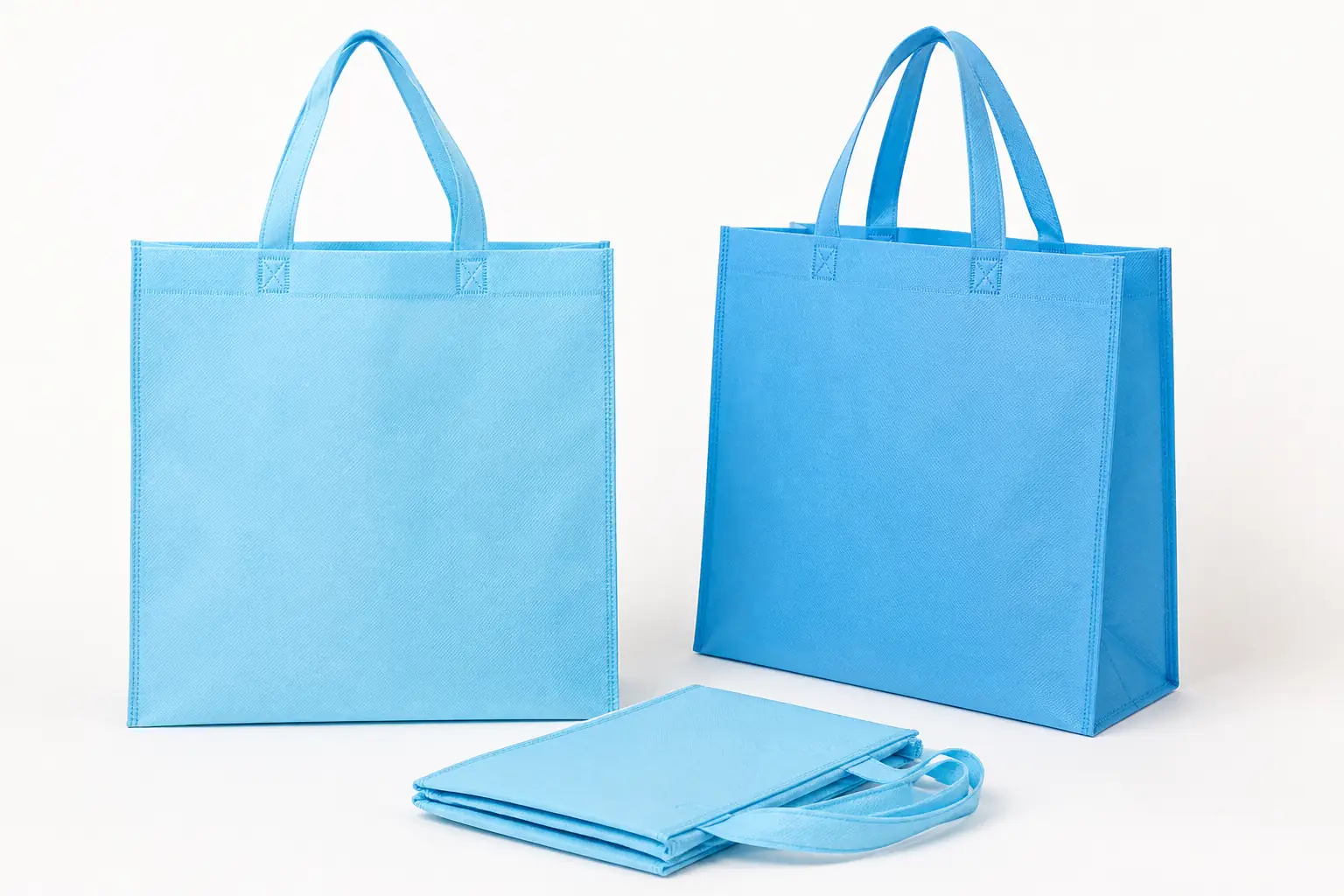
Start with the Carried Item, Not a Generic Bag Name
A bottle set, folded garment and boxed gift impose different shapes on a nonwoven carrier. Record the representative contents and how the recipient will lift, hold and set down the bag before choosing a panel layout.
If reuse is expected, state the handling cycle that matters to the buyer. This creates an observable carry trial without turning a sample result into an unsupported universal load rating.
Lock Width, Height, Gusset and Handle Drop to Named Datums
The bag drawing should identify whether width is measured flat or across an opened gusset, where height begins, and how handle drop is taken. Each color or size receives its own line rather than inheriting an ambiguous family label.
Measure the complete sample after normal conditioning and note an agreed tolerance beside every critical datum. That record prevents a later panel or fold change from silently reducing usable volume.
Identify the Nonwoven Panel and Any Lamination as a Matched Set
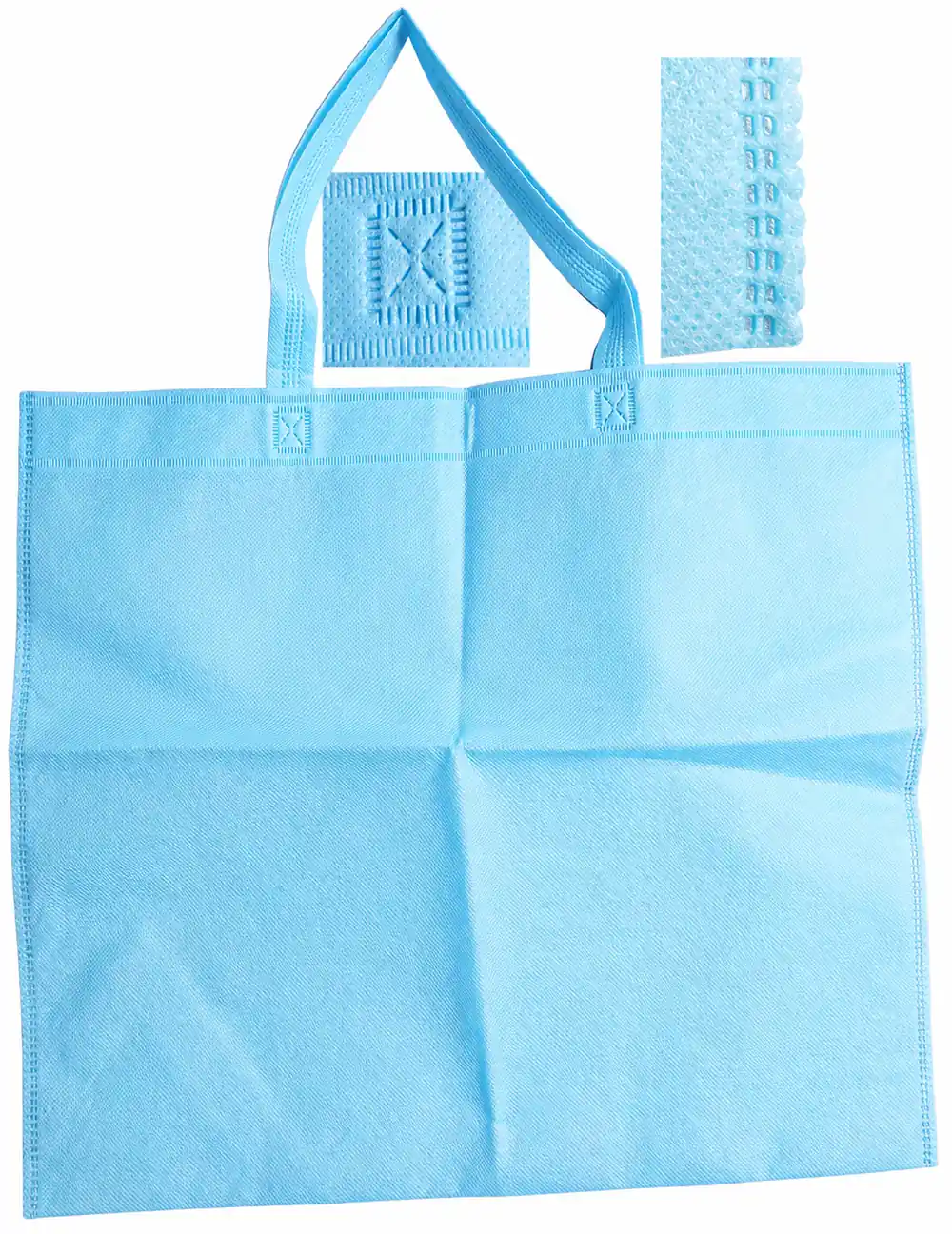
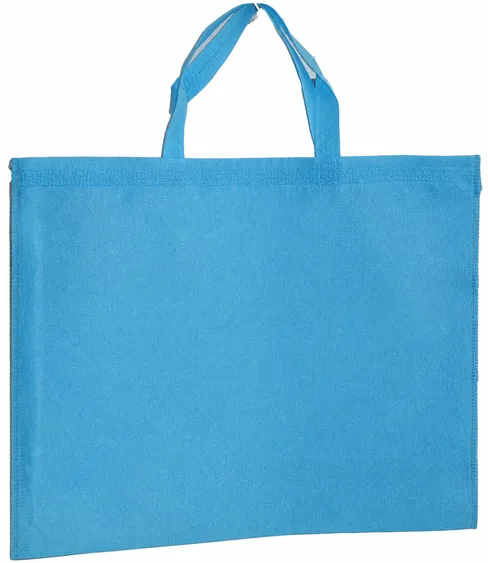
A swatch reference should distinguish the base web, surface appearance, color and optional laminated face. The quote must name which side receives decoration and which surface contacts the packed item.
Physical approval belongs to the finished sewn or bonded object because edge binding, heat exposure and folding can alter the panel. A loose material sample remains useful evidence, but it cannot approve handle anchorage or assembled shape.
Review Handle Span, Reinforcement and Seam Path Together
Specify handle material, width, length, placement and attachment footprint. A buyer can then inspect stitch rows or bonding areas around the actual interface instead of relying on a general statement about carrying strength.
Run the agreed representative contents through lifting and handling observations on the decorated sample. Record deformation, seam opening or print contact as findings tied only to that construction.
Fit Artwork to the Finished Printable Panel
Provide the authorized vector file, intended face, dimensions, colors and placement reference. The printable zone must allow for gusset folds, handle reinforcement and edge binding so important graphics do not cross unstable surfaces.
Approve a production-material strike-off and then the complete printed bag. Barcode, warning and carton marks use separate controlled files because they serve different readers and may follow different print processes.
Sequence Cutting, Decoration and Assembly around the Bag Architecture
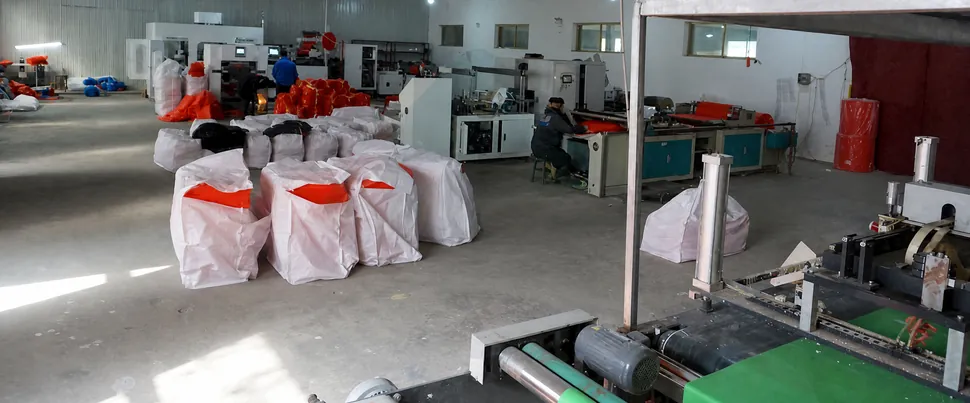
The first output check should confirm panel orientation, gusset direction, handle position and print registration before the run advances. Later in-process checks watch the chosen joining route and repeated placement points.
When a component or artwork revision changes, issue a new bag code and replace the obsolete reference at the workstation. This keeps mixed versions from reaching folding and carton packing.
Inspect the Interfaces that Make a Shopping Bag Usable
A bag inspection sheet can list finished dimensions, visual shade, print position, handle symmetry, seam continuity, opening shape and pack count. The buyer should define how each observation is made and which deviations prevent shipment.
Cosmetic marks and functional openings need different disposition rules. Photographs help describe a finding, while the signed sample and dimension record remain the release reference.
Keep Reuse and Carry Statements inside the Observed Trial
Any statement about repeated use or carried mass should identify the exact panel, handle, seam, contents, handling sequence and observation method. Changing one of those elements creates a different bag evaluation.
Material or restricted-substance documentation must match the ordered construction and destination. A facility document does not substitute for evidence about the printed carrier itself.
Prevent Creases and Print Transfer during Fold Packing
Agree the fold map before carton dimensions are finalized. Fresh print surfaces may need separation or curing controls, while reinforced handles should lie without creating a permanent ridge across the visible panel.
Carton labels should connect bag code, color, artwork revision, inner count and destination. A sealed pack sample gives the buyer a practical reference for both presentation and warehouse receiving.
Compare Bag Offers on the Same Panel and Pack Definition
Ask each quotation to state panel route, dimensions, handle build, decoration coverage, SKU quantity, unit fold and carton count. Differences become visible before a price comparison is made.
Sampling steps and production timing follow material availability, artwork approval and pack confirmation. A minimum quantity is therefore a result of the chosen bag build, not a fixed promise for every variation.
Send the Nonwoven Bag Build Sheet Questions
Which drawing controls a gusseted shopping bag?
Use a drawing that names flat width, opened gusset, finished height, handle position and measurement datums for the exact SKU.
How is a printed nonwoven bag sample released?
Release the complete carrier after panel, handle, joining, artwork position, fold and unit-pack observations match the recorded bag revision.
Can a carry claim move to another handle design?
No automatic transfer is appropriate; a new handle material, footprint or seam path changes the observed bag construction and needs its own review.
What belongs in the bag quotation request?
List representative contents, finished geometry, panel reference, handle build, print file, colors, quantities, fold method, carton allocation and destination.
Send the Nonwoven Bag Build Sheet
Provide carried contents, finished bag dimensions, handle construction, printing file, quantity split and fold-pack plan to marketing@rainwear-manufacturers.com for a bag-specific review.