
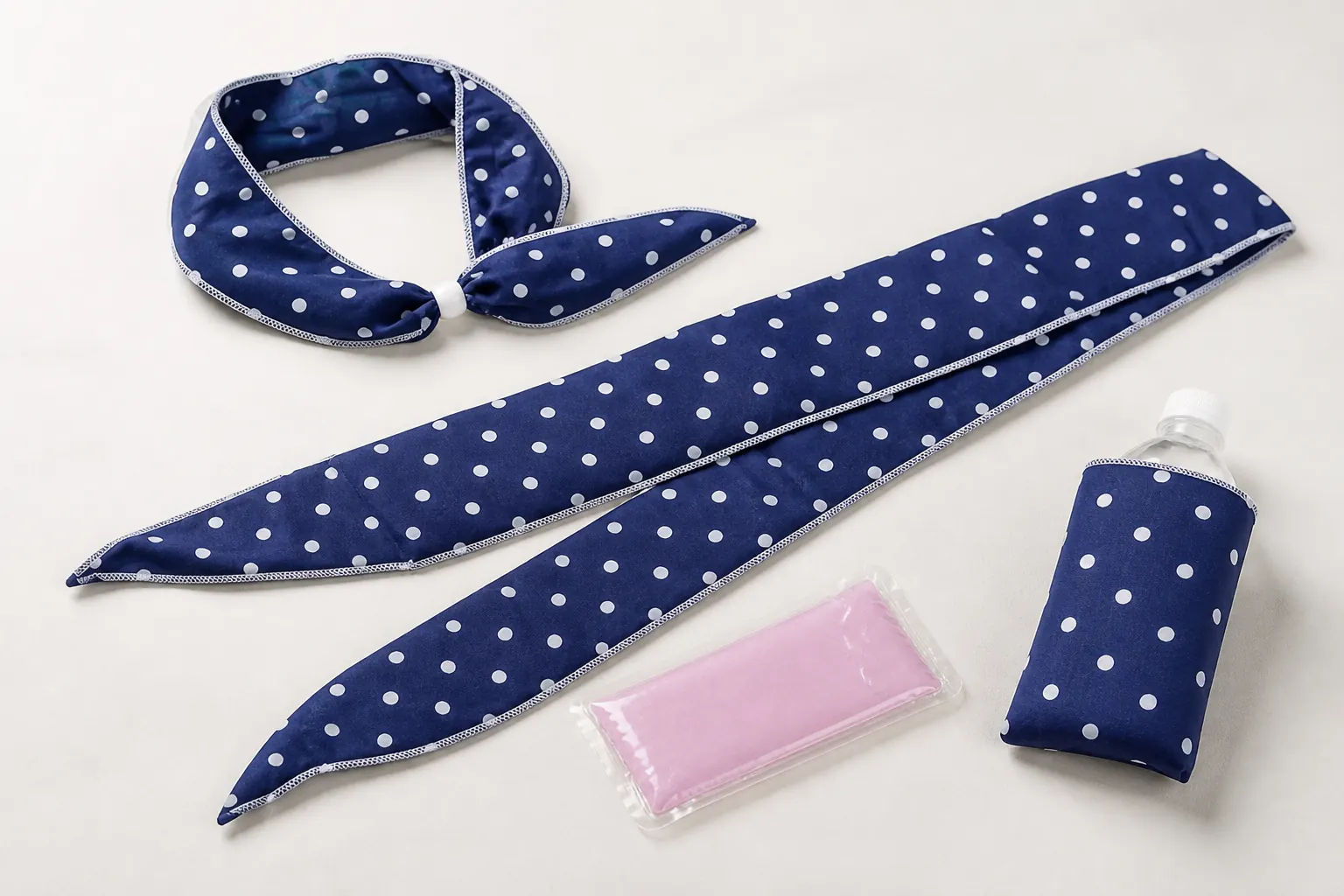
Choose Pouch, Wrap, Band or Sleeve before Selecting Materials
A loose cold pouch, neck wrap and bottle warmer occupy different shapes and touch different surfaces. Define the physical format and how it is positioned so the development sample represents the intended object.
If an outer textile cover is removable, record it as a separate component with its own dimensions and closure. The inner thermal unit and sleeve still require approval as an assembled pair.
Write the Activation Sequence as an Operating Condition
State the buyer-approved heating, cooling or other preparation route without inventing temperature or duration. Instructions should name the equipment or environment, handling steps and excluded uses required for the project.
A prototype observation applies only to the recorded starting condition. Changing preparation, fill or geometry prevents the earlier result from becoming a general performance promise.
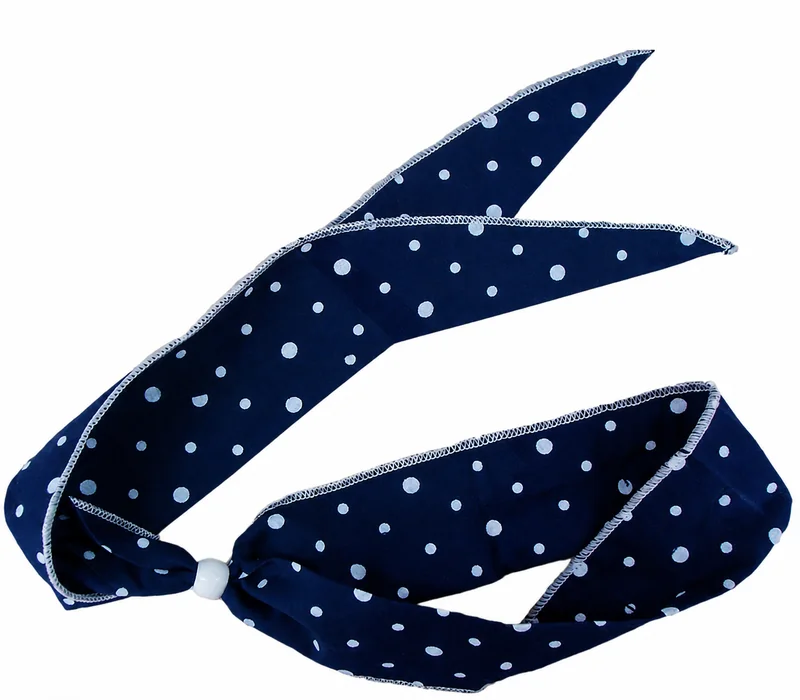
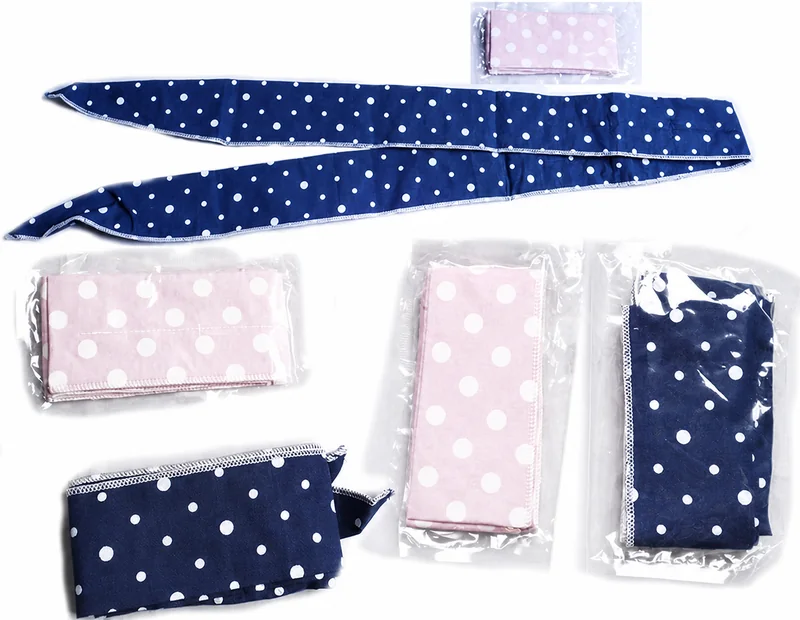
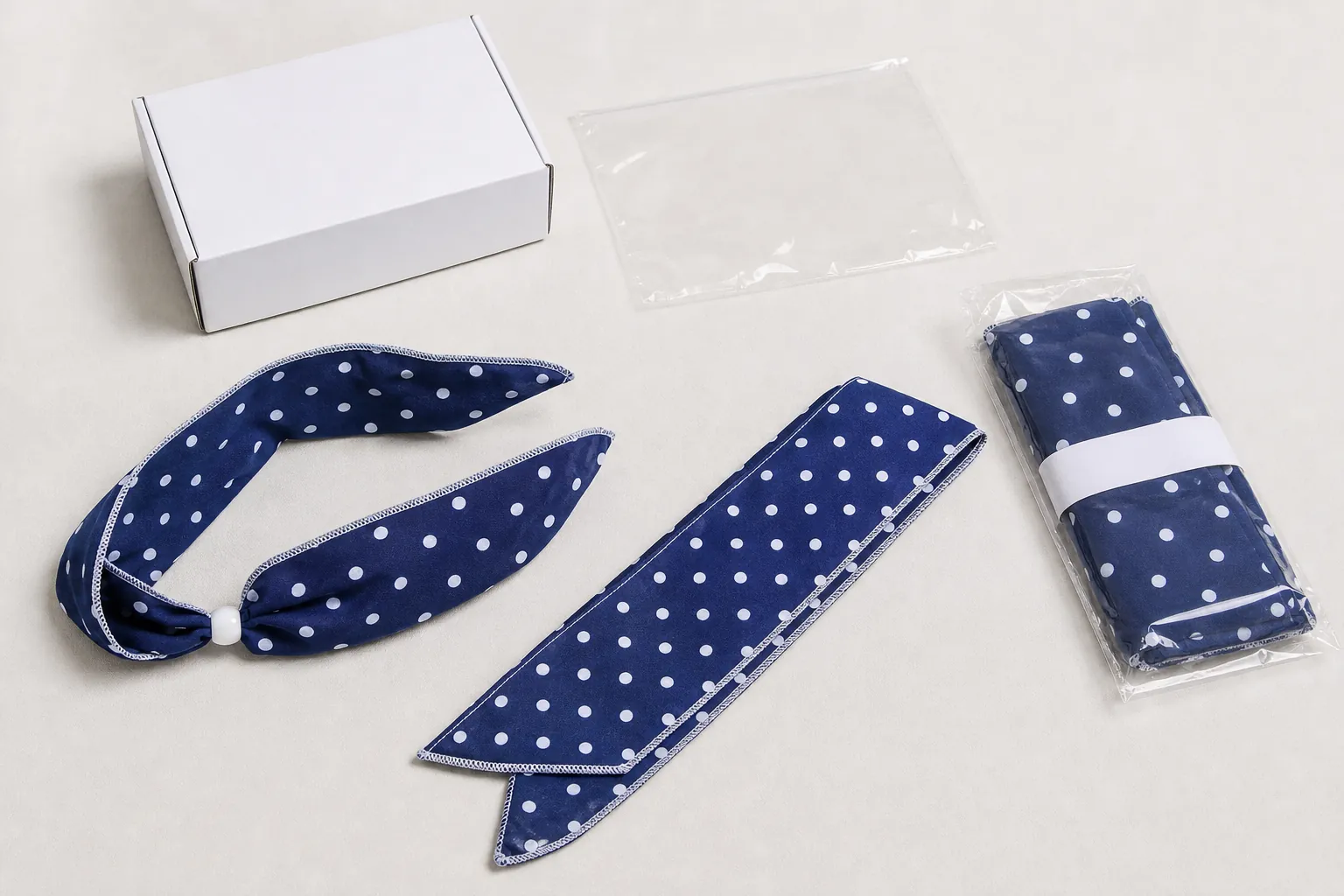
Map Contact Area, Orientation and Barrier Layers
Identify which face contacts a bottle, textile, transport item or other intended surface. Mark seams, closures and printed zones away from pressure or fold points where practical.
When direct personal contact is contemplated, the buyer must define the applicable assessment and instructions. This page does not claim medical suitability or a universal skin-contact outcome.
Control Film, Textile, Fill and Seal as One Assembly
Use coded references for the confirmed pouch or shell and any fill system. The sample record should show seal path, fill distribution, closure and sleeve relationship rather than listing material names without an assembled object.
A change in film, fabric, fill, seam width or closure reopens review. Visual similarity cannot demonstrate equivalent leakage or thermal behavior.
Keep Branding Clear of Seals and Instruction Zones
Place logos on a defined face with dimensions and orientation. Warning text, activation steps, lot identity and barcode content need their own approved layout and legibility check.
Decoration should be reviewed on the production-representative shell or sleeve. Heat, moisture, flexing and texture may alter appearance, so a screen image alone is insufficient.
Observe Filling and Sealing before Sleeve Packout
First output review can check fill basis, distribution, trapped contamination, seal continuity and closure assembly. A separate sleeve station verifies orientation and retention.
Use a code that connects the thermal unit, cover, instruction revision and unit pack. This prevents a correct pouch from being combined with obsolete directions.
Inspect Leakage Indicators and Assembly Identity
The buyer-selected plan can include dimensions, fill observation, seal appearance, closure function, sleeve fit, print, instruction presence and pack count. Acceptance language should name the method rather than promising an unspecified leak test.
Any destructive or laboratory work requires an agreed sample selection and report scope. Routine visual inspection must not be presented as equivalent evidence.
Bound Temperature, Duration and Reuse Statements
A thermal statement needs the exact product, activation method, starting condition, environment, observation points and measuring equipment. Without those fields, comparative language should remain off the label.
Reuse also depends on the reviewed pouch, seal, fill, cover and care route. A different component or instruction revision requires a new decision.
Protect Seals, Shape and Directions in Distribution
Avoid folds or carton pressure across sealed edges. Unit packaging should keep operating instructions with the correct product while making the lot or item code visible for receiving.
A packed sample can reveal whether sleeves deform, pouches shift or leaflets become separated. Carton count and orientation follow that observed arrangement.
Compare Offers by Thermal Assembly, Not Product Nickname
Request an itemized basis covering inner unit, fill route, outer textile, closure, printing, instructions, unit pack and quantity. This exposes omissions between superficially similar hot-or-cold products.
Component availability and instruction printing influence starting quantity and calendar. Commit dates only after the physical format and use-condition review are closed.
Describe the Thermal Product Use Condition Questions
What should be defined before a thermal pack material is chosen?
Identify the physical format, activation sequence, intended contact, positioning, reuse expectation, instructions and excluded uses.
Can one temperature result cover another pouch shape?
No automatic transfer should be made because geometry, fill distribution, seal path and preparation condition may differ.
How are a pouch and textile sleeve approved?
Record each component and then review fit, orientation, closure, branding, instructions and unit packing on the assembled prototype.
Which details make a thermal-product quote comparable?
List format, activation, pouch or textile references, fill basis, seal, closure, contact layer, artwork, instructions, quantity, unit pack and destination.
Describe the Thermal Product Use Condition
Send format, activation method, contact area, pouch or textile build, fill basis, closure, instructions, quantity and pack to marketing@rainwear-manufacturers.com.