
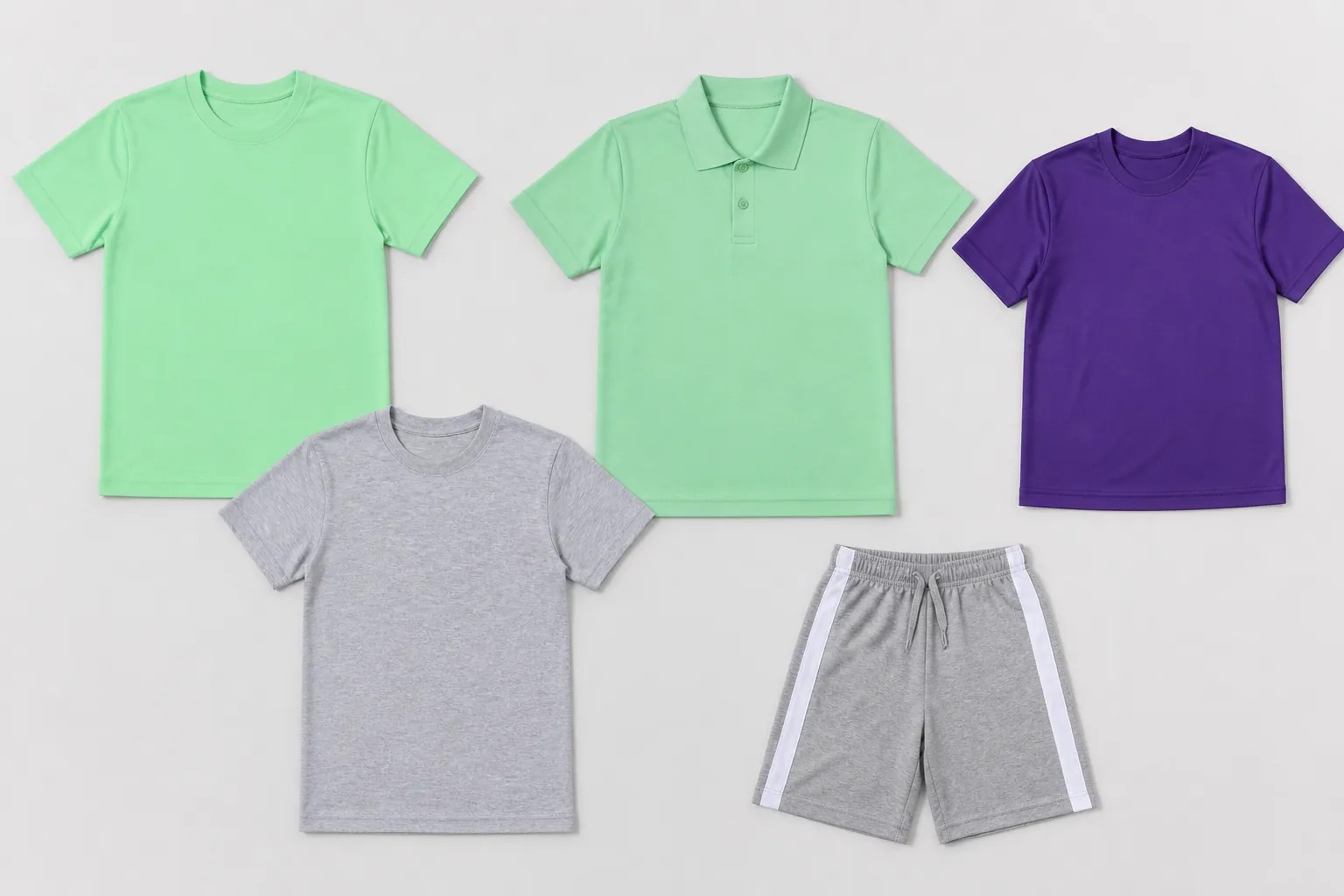
Translate the Wearer and Activity into a Garment Brief
A crew shirt, sports top, pant and child short serve different movement and coverage needs. Identify the wearer, layering, activity and destination before selecting pattern or textile.
Record any buyer-defined age or use restrictions without assuming safety from a style name. The final brief should distinguish promotional appearance from functional claims that need separate evidence.
Control Body Measurements and Finished Garment Points Separately
The size chart should label chest, body length, waist, rise, inseam or other relevant points with clear datums. Finished garment targets must not be confused with body measurements.
Approve the base size before grading the range. A documented grade rule allows the buyer to see how proportions change rather than accepting generic S through XL labels.
Connect Textile Face, Weight Reference and Stretch Direction to Pattern
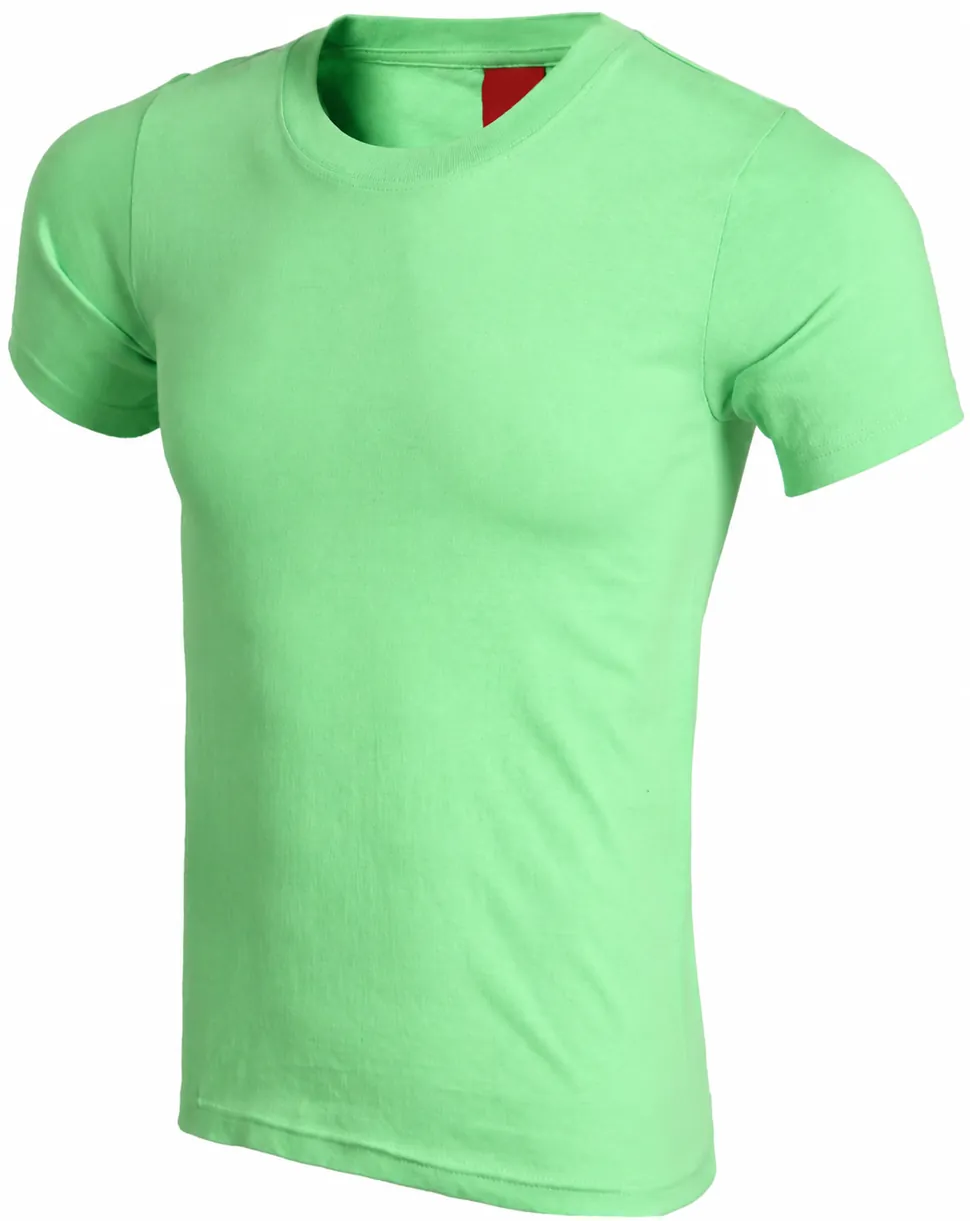
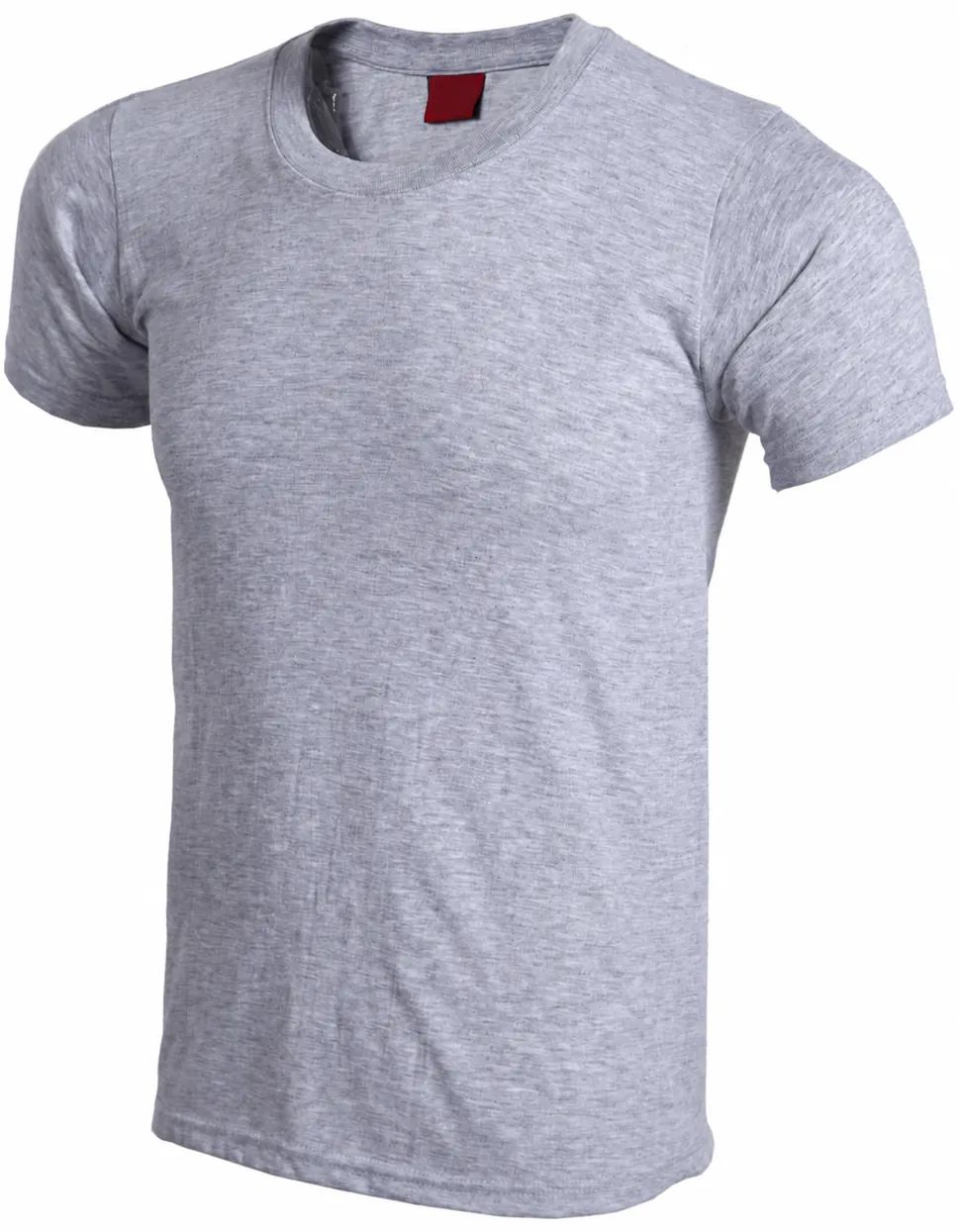
Use a coded swatch and note the face, color, structure and direction relevant to cutting. If stretch or recovery matters, define the buyer-selected observation instead of relying on an unmeasured adjective.
A substitute textile may alter fit, drape, decoration and laundering. Refit the garment when a material reference changes after sample approval.
Map Seams, Hems, Waist Treatments and Trims on the Drawing
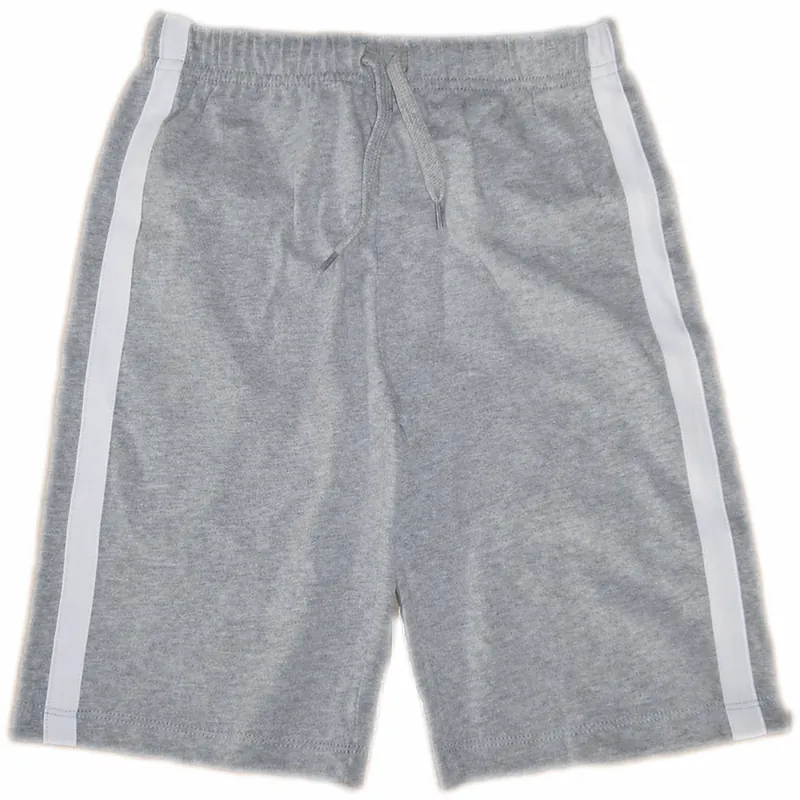
Specify seam types, neck or waist construction, elastic or drawcord route, hem finish and attached labels where applicable. The drawing should show which component belongs to each garment family.
Inspect high-movement junctions on the fitted sample. A sports top and pair of shorts require different interface checks even when they use the same campaign color.
Place Campaign Artwork on the Worn Garment
Authorize print or embroidery dimensions, location, color and orientation for every style and size range. Placement should be judged on a fitted garment because panel curves and seams change the visual result.
Run a production-textile decoration proof before the complete sample. Care copy, size labels and carton barcodes remain controlled files outside the campaign artwork.
Approve Base Fit, Size Set and Decorated Pre-Production Garment
Use separate gates for silhouette, graded measurements and final decorated construction. A single showroom sample cannot release every size, trim and color.
The signed sample file should connect pattern revision, textile code, measurement chart, artwork and packing. Any later change identifies which approval must reopen.
Inspect Measurements, Assembly and Assortment by Style
First output checks can cover critical dimensions, seam formation, trim placement and decoration. Final inspection adds shade grouping, size labels, folding and ratio accuracy.
Define measurement tolerance at each named point and record the garment state. Cosmetic findings should not be mixed with fit-critical deviations in one vague quality statement.
Limit Performance and Child-Use Language to Applicable Evidence
Moisture, UV, flame, visibility or child-related claims cannot be inferred from a promotional sports appearance. Each statement needs an exact garment, material, method and destination scope.
Changing textile, colorant, print, trim or production route can affect the evidence relationship. Marketing should remain descriptive until current documentation is confirmed.
Reconcile Size and Color Ratios before Carton Sealing
The pack plan should list style, color, size, fold, individual protection, inner count and carton allocation. Scan or count controls can be selected for the buyer’s assortment risk.
A packed reference shows label visibility and fold presentation. It also helps prevent two similar campaign garments from being mixed during consolidation.
Compare Garment Quotations on Pattern, Textile and Decoration Scope
Ask suppliers to state style construction, textile reference, size range, trim set, artwork process, quantity ratio and packing basis. A cheaper offer may use a different grade, component or print area.
Material color and decoration setup affect minimums by style. Delivery planning begins after the base fit, graded size set, artwork and assortment are approved.
Provide the Promotional Apparel Size Plan Questions
How should a promotional garment size chart be written?
Separate body guidance from finished garment measurements, name every datum and show the base size plus the approved grade rule.
Does one decorated shirt approve promotional shorts?
No; the pattern, panels, seam interfaces, artwork placement and fit observations belong to the exact garment represented.
When is an apparel size set reviewed?
Review it after base fit is accepted and before bulk cutting, using the intended textile, trims and controlled measurement chart.
What details belong in the apparel RFQ?
Include wearer, activity, style drawings, finished measurements, textile reference, seam and trim map, artwork, sizes, colors, quantities, folding and destination.
Provide the Promotional Apparel Size Plan
Send garment sketches, measurement chart, textile route, seam and trim choices, artwork, size-color quantities and fold-pack instructions to marketing@rainwear-manufacturers.com.