WHOLESALE HEADWEAR PROGRAM
Wholesale Baseball Caps & Promotional Hats
Build a cap program from measurable crown, visor, closure and decoration decisions—not from a thumbnail alone.
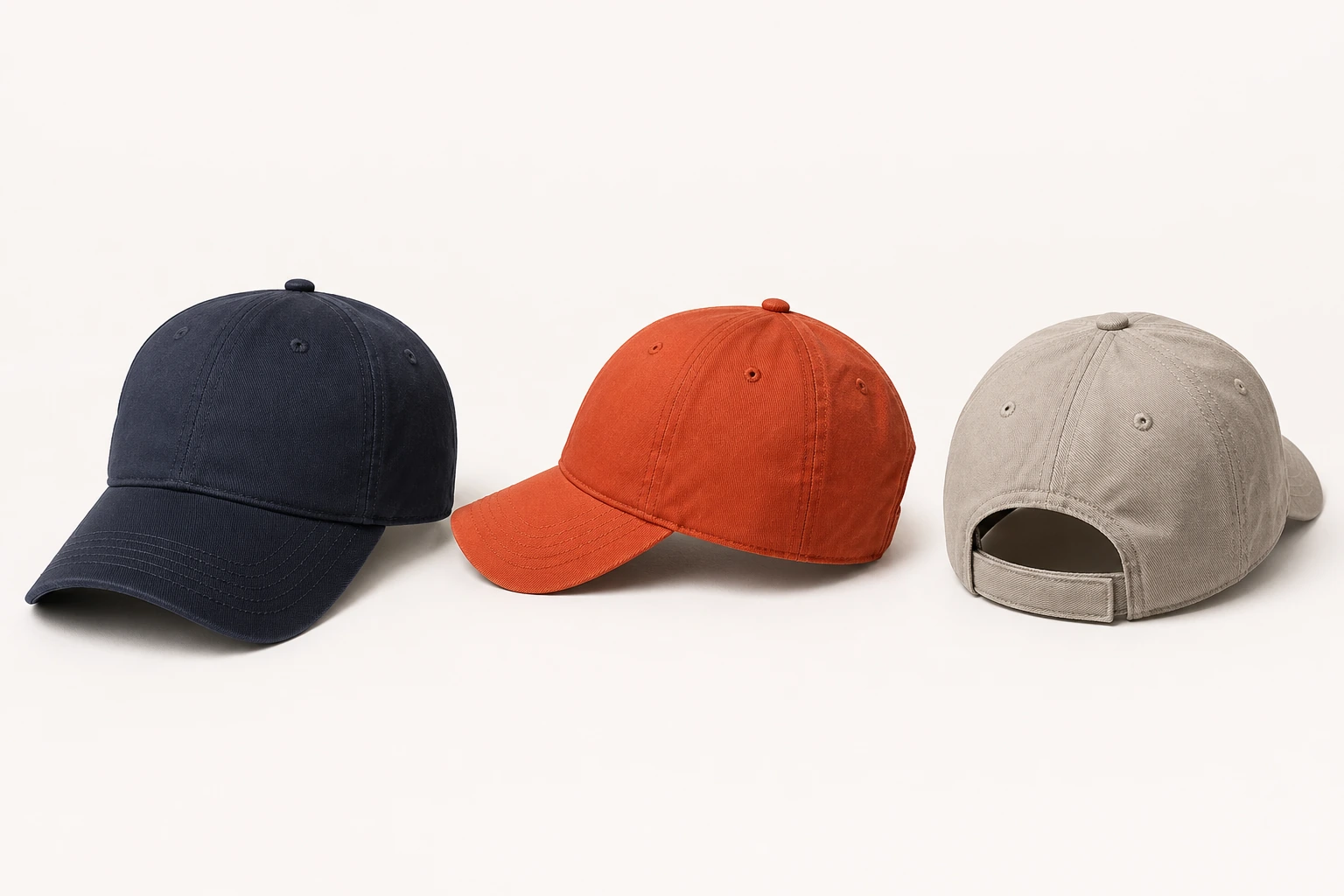
Baseball-cap specification 1
Define the cap program by use condition and crown family
A baseball-cap brief should identify the job of the cap and the required crown family before artwork or price becomes the organizing decision.
What establishes the cap program boundary?
Merchandise job, crown family, wear conditions and explicit commercial exclusions.
Assign the cap a job inside the merchandise range
State whether the SKU supports a team uniform, staff identity, branded giveaway or retail collection. That job changes the expected wearing frequency, decoration prominence, size route and replacement logic, so it belongs in the first line of the brief.
Select a crown family before decoration begins
Choose the intended panel count, front support, crown depth and rear opening concept as one architecture. Artwork should be positioned only after the supplier has returned a measurable crown proposal that fits this named family.
Describe use conditions that influence components
Record expected handling, climate, wearing duration and cleaning assumptions without converting them into unsupported performance claims. These conditions help the buyer discuss sweatband, closure and visor choices while keeping final values subject to sample approval.
Mark commercial boundaries in the quote sheet
List excluded logos, copied brand features, undeclared component swaps and unverified protective wording beside the requested SKU. Suppliers can then price controlled alternatives without treating a cheaper architecture as an equivalent baseball cap.
Baseball-cap specification 2
Freeze silhouette and proportion
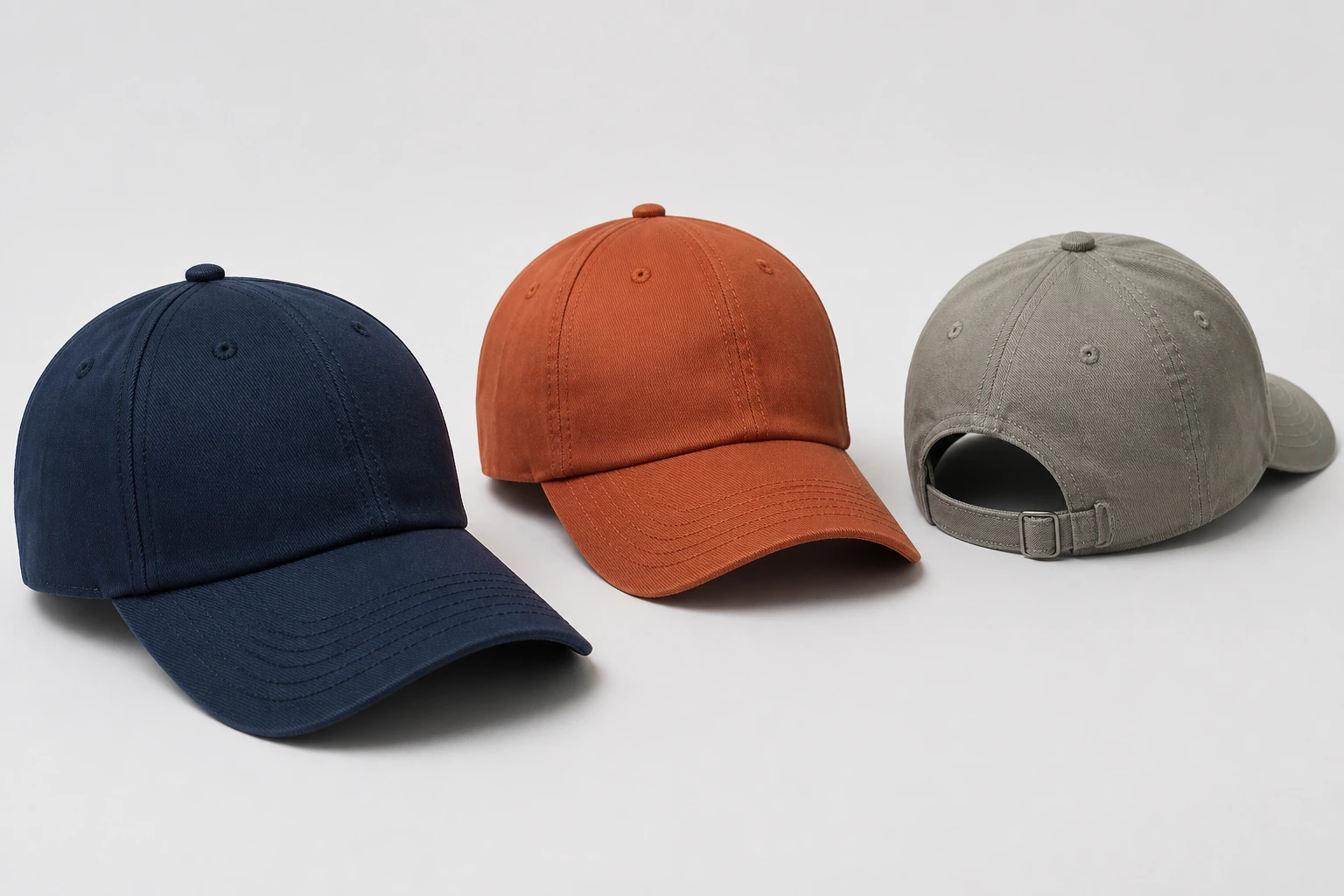
Crown height and panel balance define the cap silhouette before fabric, artwork or packing can be judged consistently.
How is the intended crown shape made repeatable?
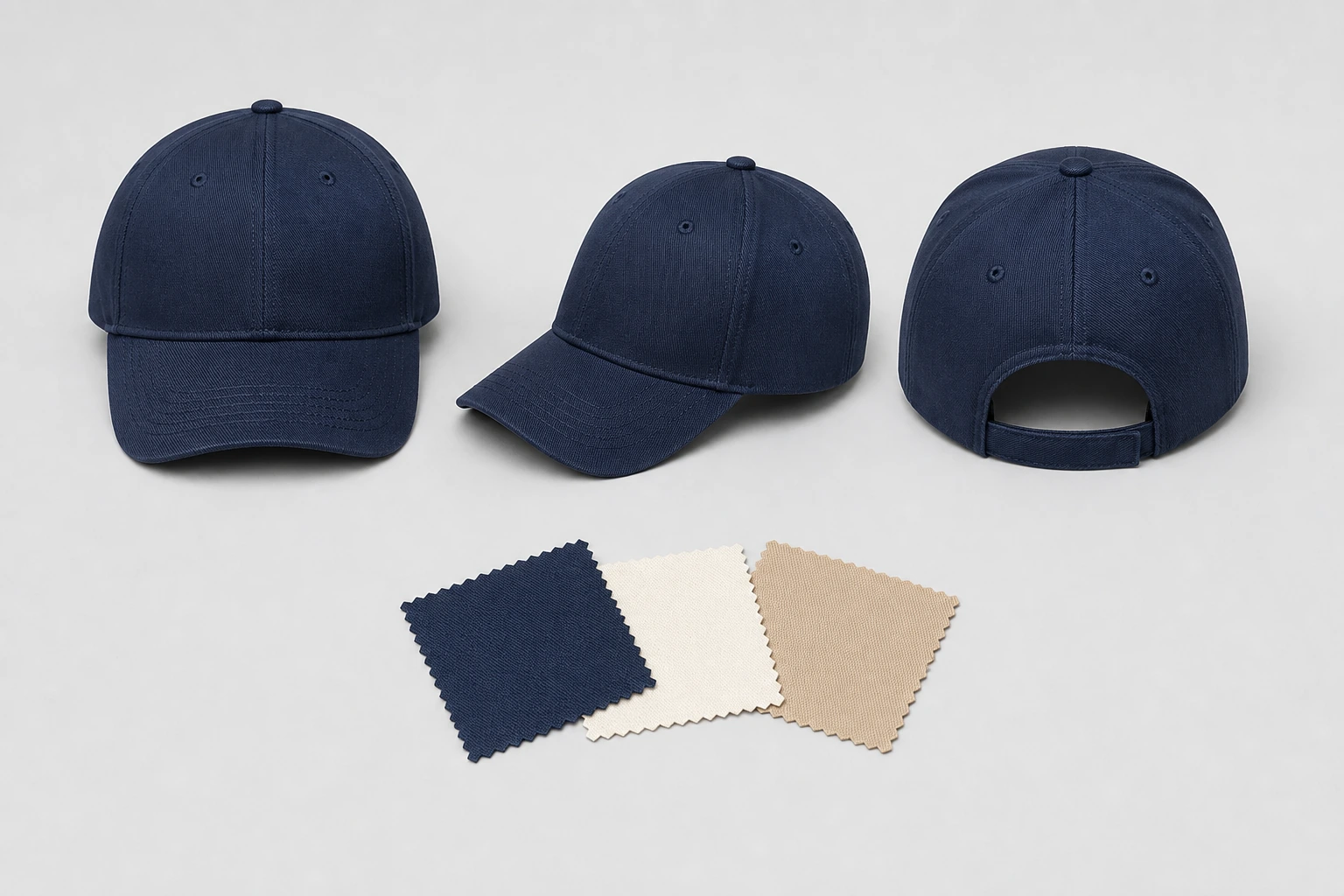
Three controlled views, stable landmarks and one approved block revision.
Measure crown height from stable points
Measure crown height from the sweatband edge to the top button at the front, side and rear reference points. Record the cap state and support used, because a compressed sample and a blocked sample do not produce comparable readings.
Control front, side and rear profile
Approve the crown from front, profile and rear views while following every panel seam. This reveals lean, unequal panel tension or rear collapse that a single three-quarter merchandising image can hide.
Set acceptable shape tolerance
Set observable limits for peak position, side-wall fall and panel balance rather than asking for a better shape. Pair each limit with an accepted cap and a rejected example so inspection teams apply the same judgment.
Keep the approved block under revision
Give the accepted pattern or block a revision identity and connect it to the sealed cap. Any change to panel shape, front support, seam allowance or top-button placement must return to silhouette review before decoration.
Baseball-cap specification 3
Engineer the brim or visor as a component
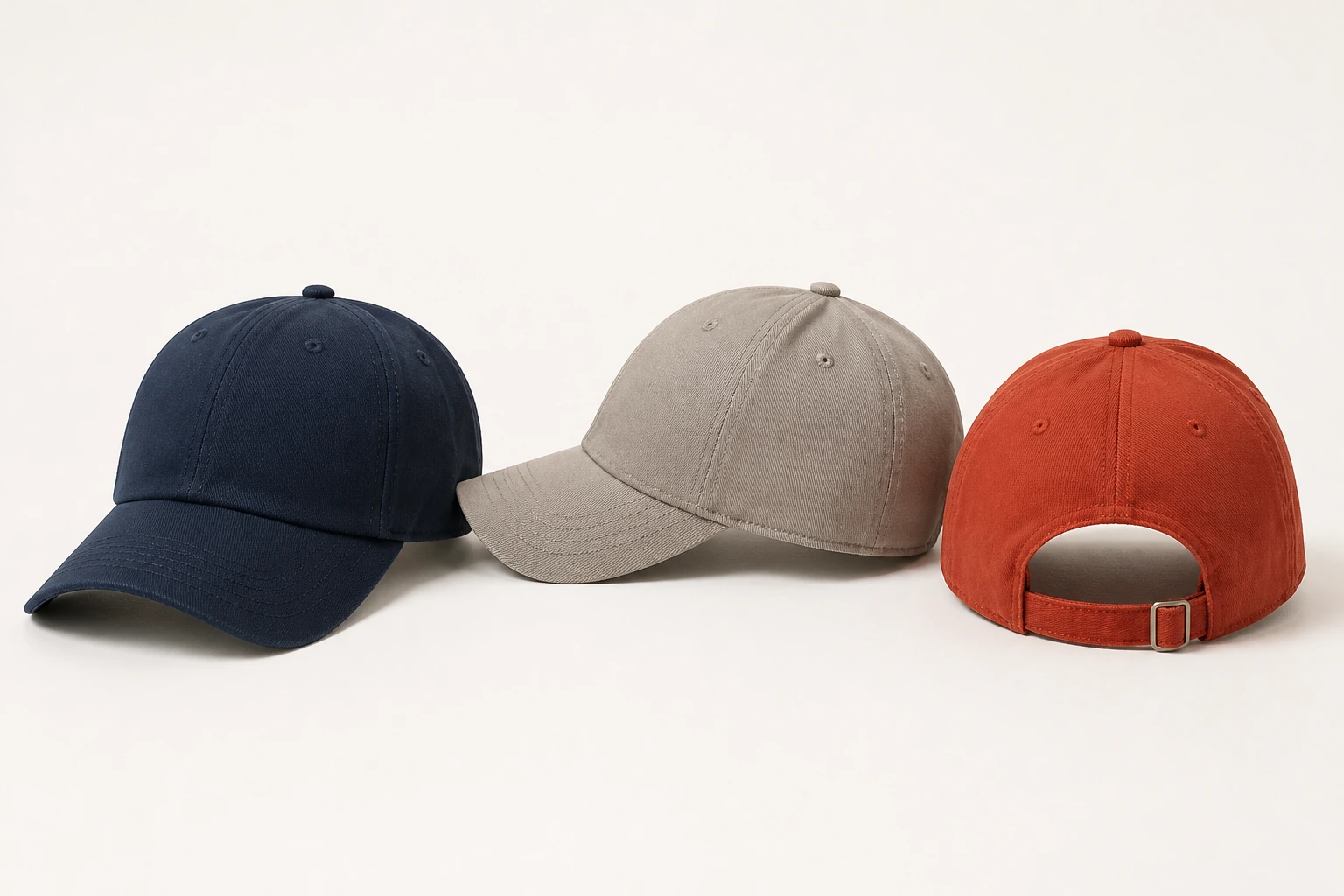
The visor is a separate engineered component whose width, curve, insert and stitch rows affect both appearance and recovery.
What evidence releases the visor construction?
Numeric geometry, insert choice, stitch count and a handled sample.
Specify width and curve numerically
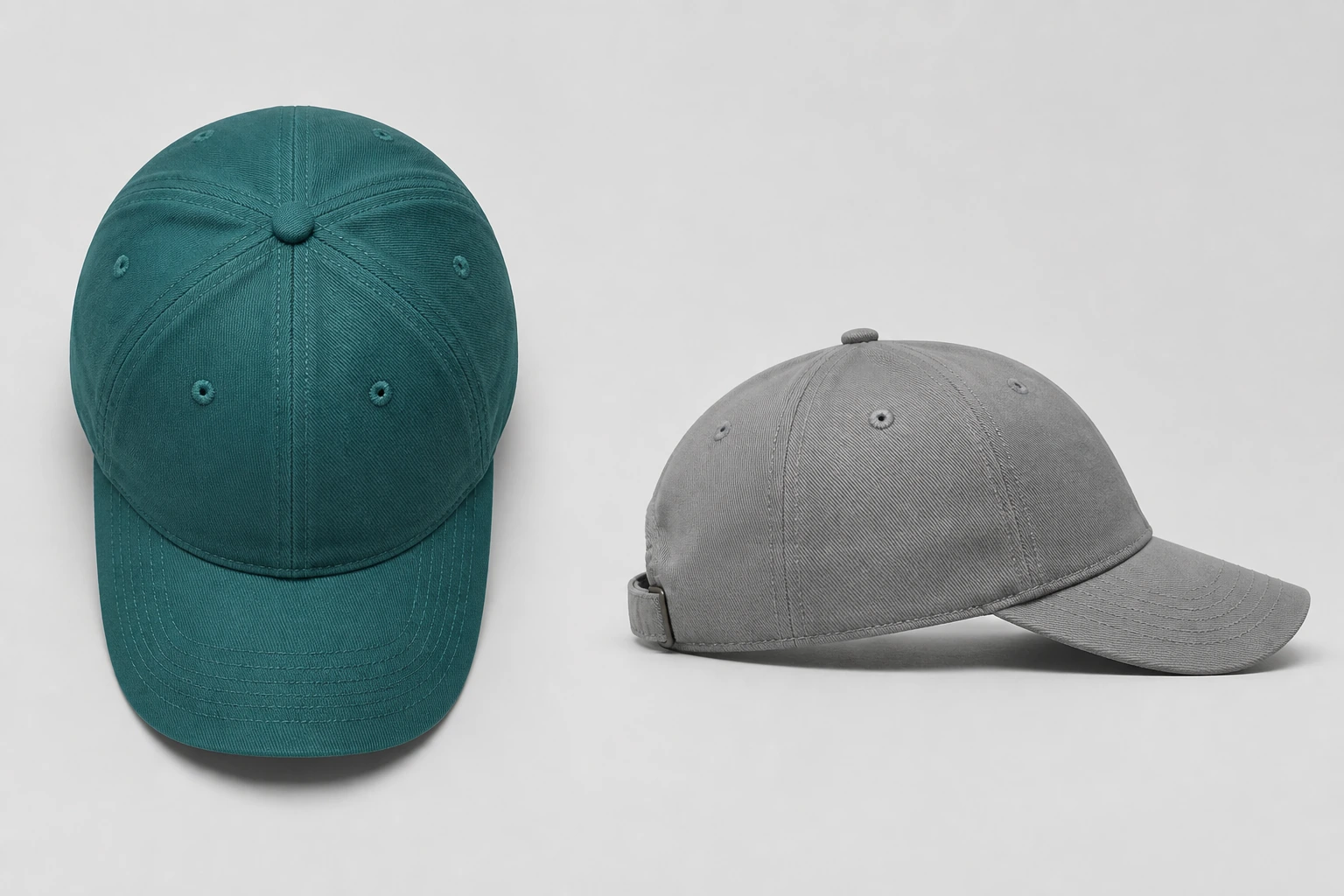
Specify visor width and projection from fixed crown and centreline landmarks, then state the required curve at defined points. A flat sketch alone cannot control how the finished visor sits against the crown.
Match reinforcement to intended hand feel
Choose the insert and reinforcement after handling the intended sample. Thickness, stiffness and recovery should match the program’s use and packing route, not an abstract request for a firm or premium peak.
Inspect edge stitching and symmetry
Inspect one overhead view and one level side view to compare edge height, stitch spacing and centreline alignment. Record whether an asymmetry comes from sewing, trimming or the insert before proposing a correction.
Approve recovery after handling
Run the agreed handling and packing trial, then photograph the visor immediately and after a stated rest period. Release criteria should distinguish temporary carton memory from a curve that does not recover.
Baseball-cap specification 4
Choose material by behavior, not shorthand
Material shorthand cannot describe surface, weight, hand or decoration response; those observations must stay attached to the chosen substrate.
How is a proposed cap material accepted?
A named construction, physical swatch, shade reference and substitution rule.
Identify fiber and construction separately
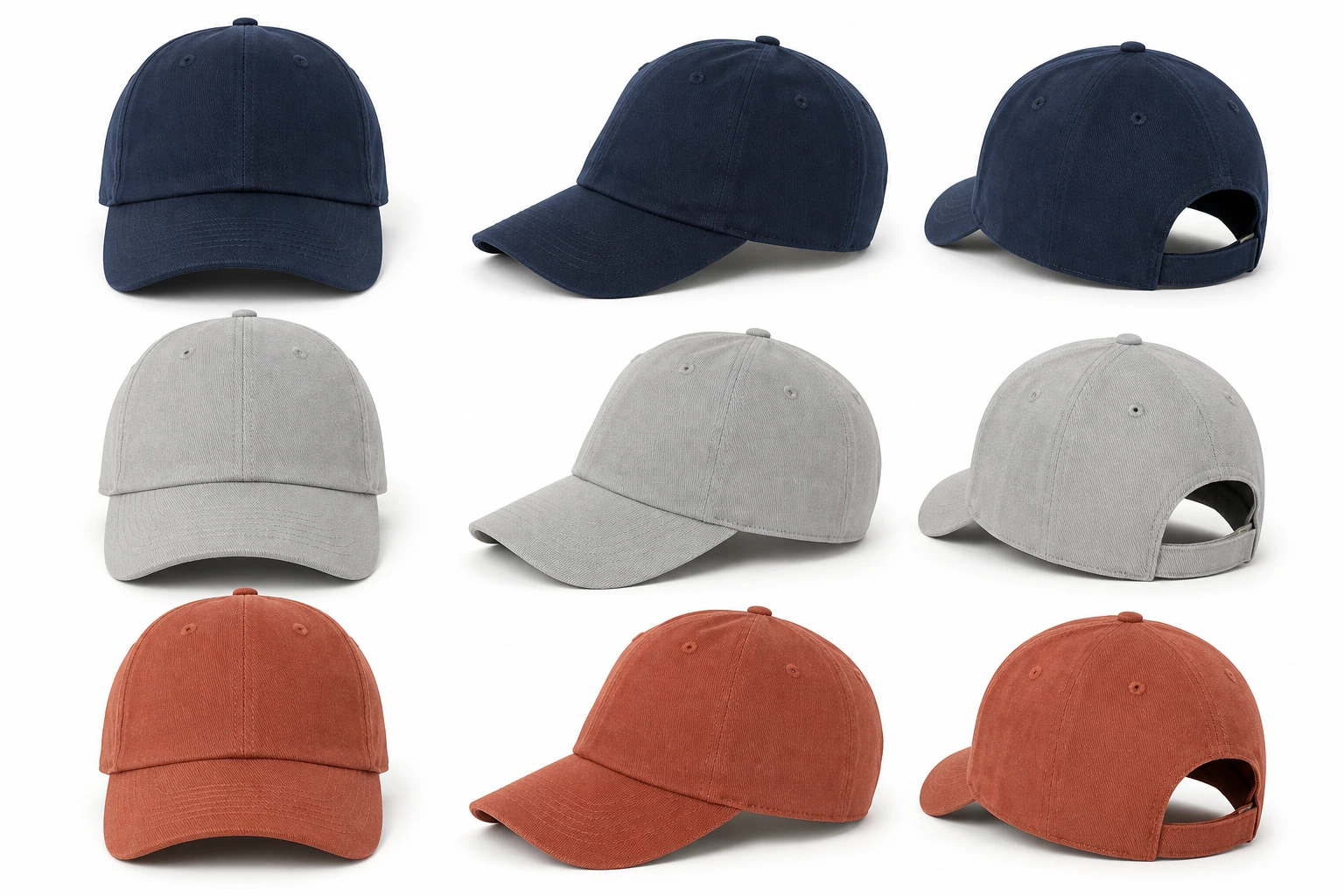
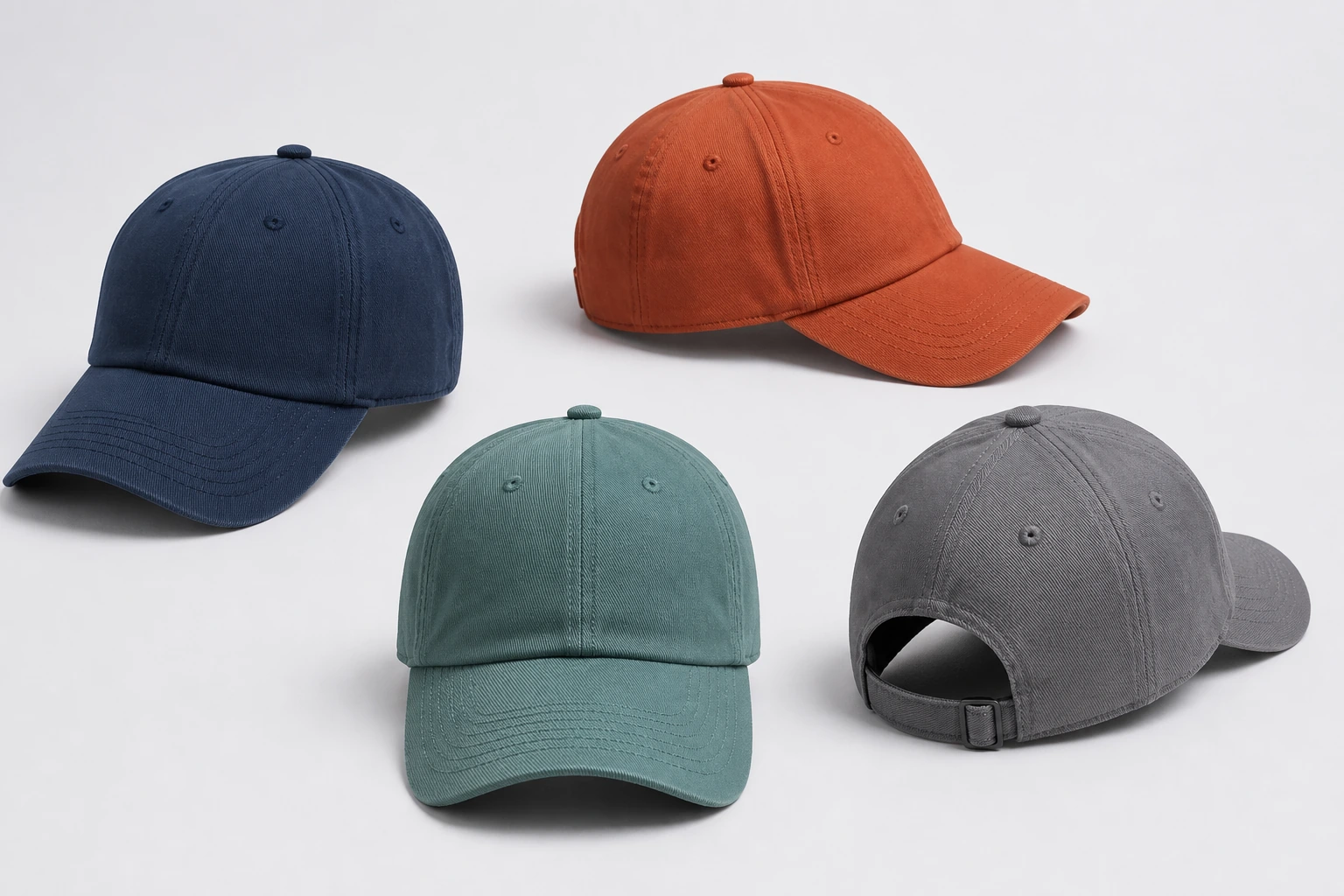
Identify fibre content and fabric construction as separate fields, for example a woven shell with a stated composition. Weight, weave, finish and coating belong to the physical swatch that will govern bulk production.
Define surface finish under controlled light
View the shell under controlled diffuse and raking light to agree on nap, sheen, brushing or wash character. Retain the approved sample because words such as matte and vintage are interpreted differently across mills.
Test color on the selected substrate
Approve colour on the exact selected substrate and finish, not on a digital value alone. The same dye target can appear different after washing, brushing or front-panel reinforcement changes the surface.
Keep substitution approval explicit
Require written approval before the mill, fibre blend, weave, finish or coating changes. The supplier should show the proposed replacement beside the retained cap and explain which decoration and colour checks must be repeated.
Baseball-cap specification 5
Build a repeatable fit system
Fit depends on the internal opening, sweatband and closure travel rather than an adult or youth label alone.
Which records control cap fit?
Head-size range, opening measurement, closure limits and size-route sample.
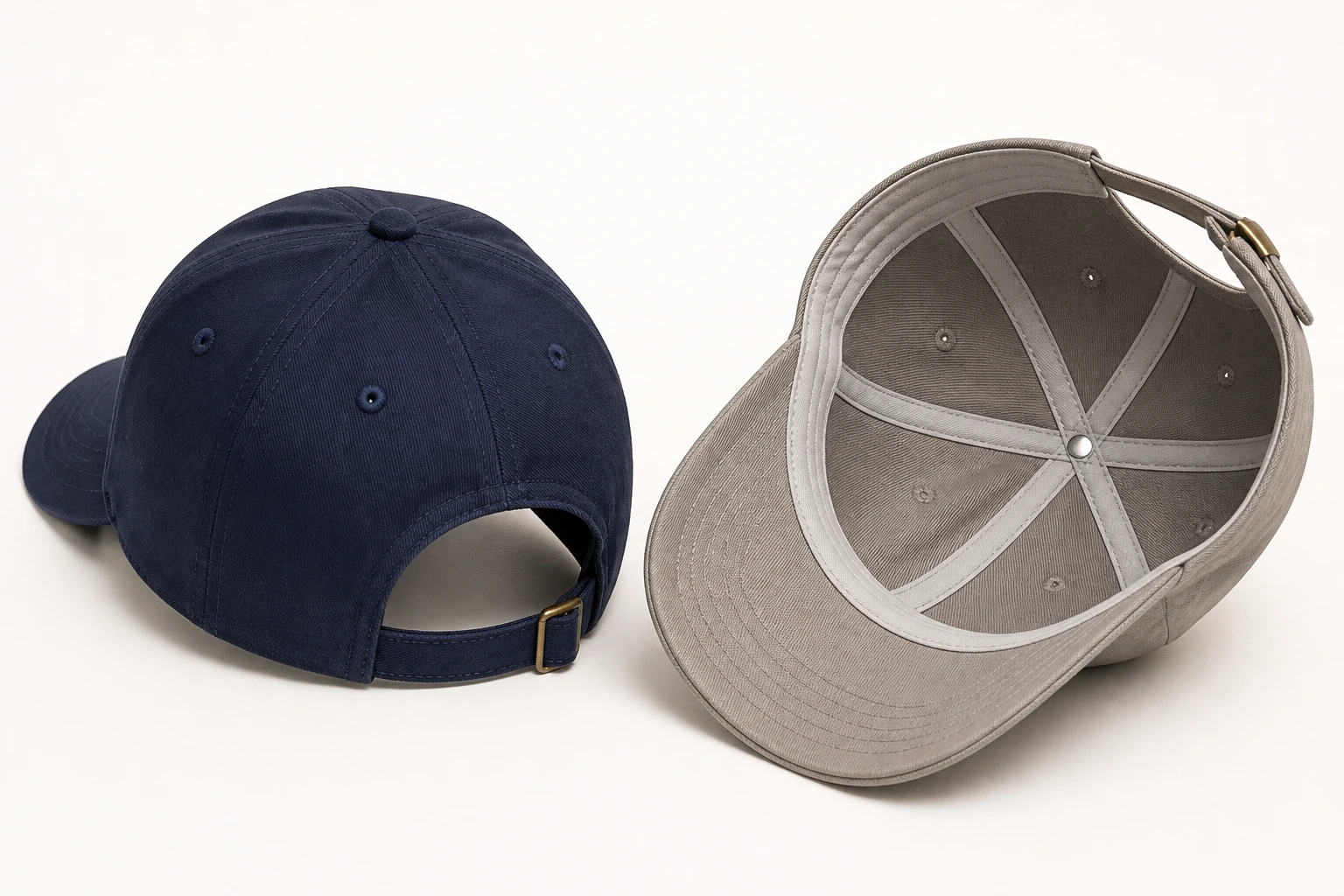
State the head-size range
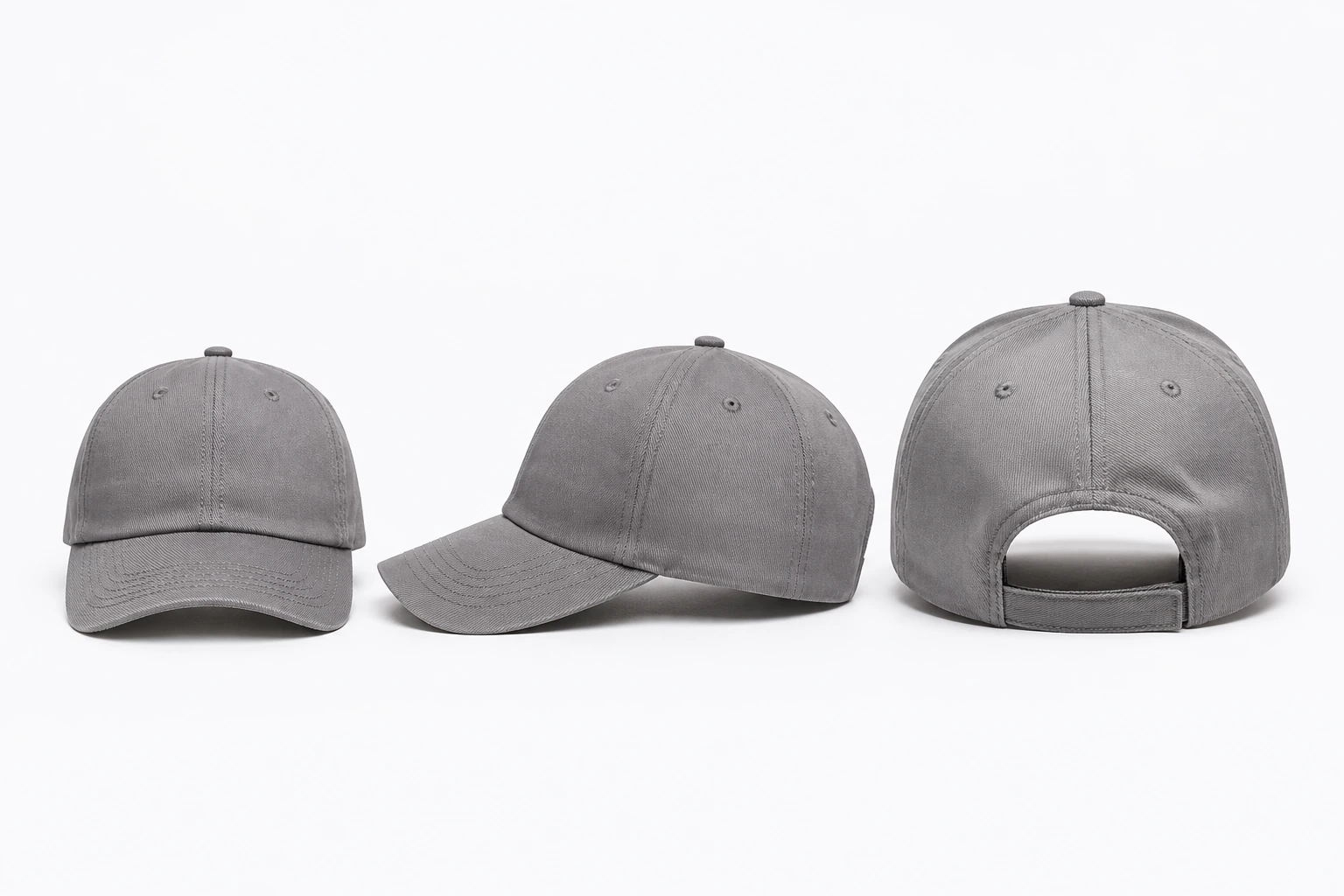
Define the intended head circumference range and wearing allowance for the actual audience. Connect that range to a measured internal opening instead of relying on an adult, youth or one-size description.
Define closure or internal adjustment
Specify the closure type, usable travel and locked positions, then check the rear opening at both ends of adjustment. Hardware appearance does not prove that the cap remains centred or comfortable throughout the range.
Measure sweatband and opening
Measure the sweatband path, internal opening and any elastic section without stretching the sample. Record the closure setting in every fit photograph so later reviewers can reproduce the approved condition.
Grade youth and adult routes separately
Build separate youth and adult routes when the crown block, visor proportion or safety considerations differ. Scaling a single sample can distort the rear opening and panel balance even when the circumference seems correct.
Baseball-cap specification 6
Place decoration after the structure is fixed
Decoration can distort the front panel or show backing inside, so artwork is released only on the final cap structure.
When is logo placement ready for bulk?
After the blank cap, method, backing, size and landmarks are approved together.
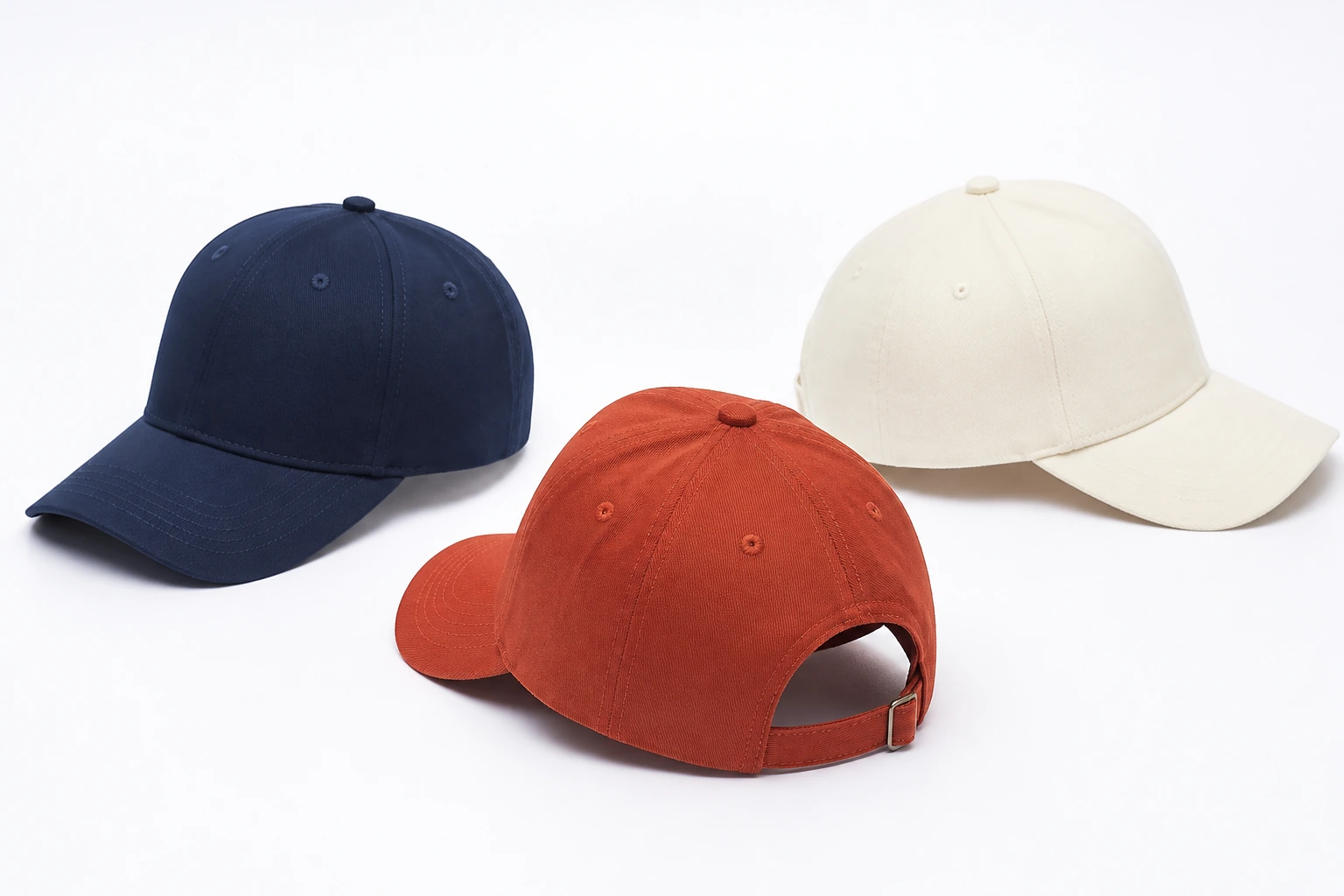
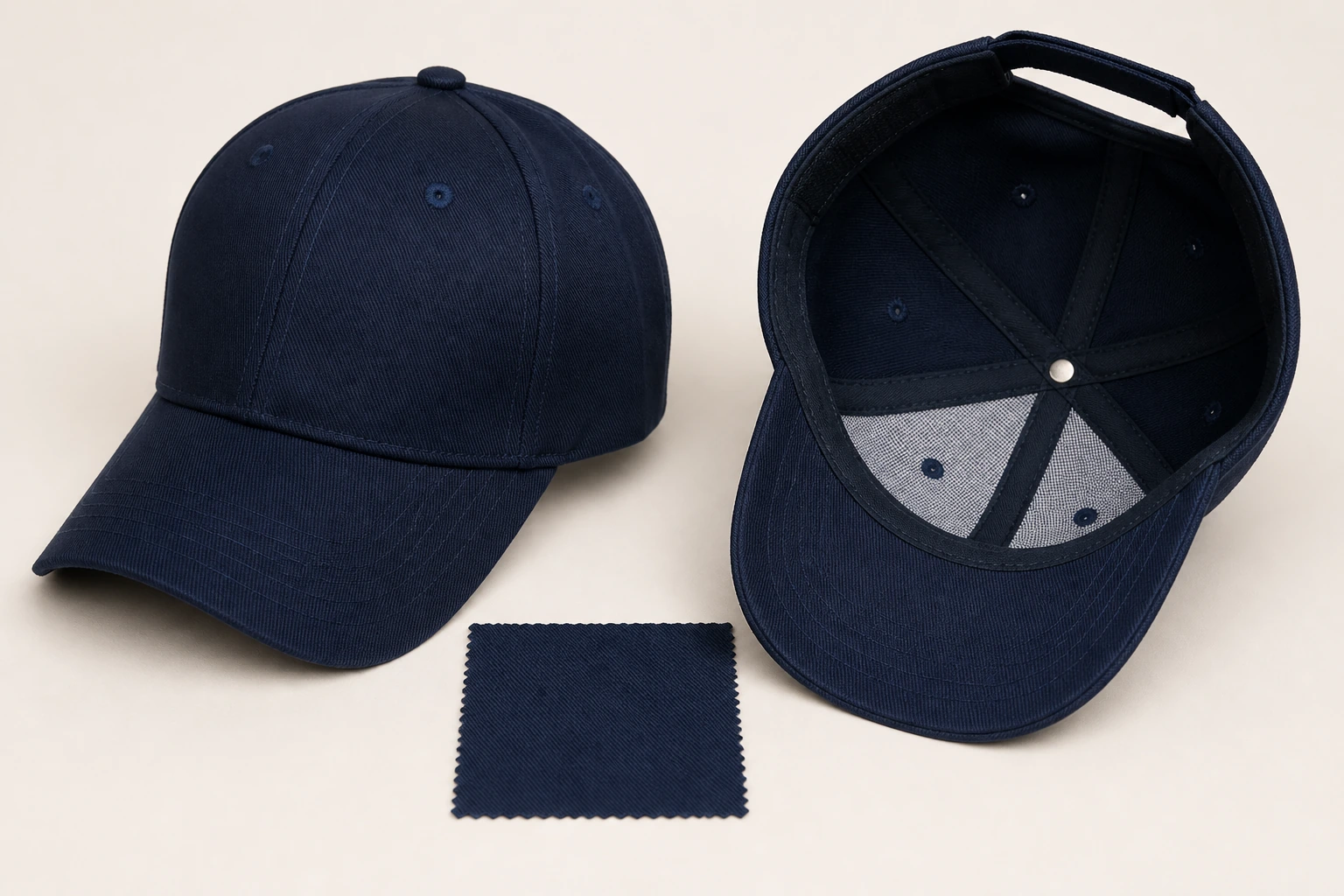
Map safe artwork zones
Mark front, side and rear decoration zones from stable seams and the visor centreline. Each zone should show usable artwork space as well as clearance from curvature, eyelets and panel joins.
Select a method for the actual surface
Select embroidery, patch, transfer or print only after testing it on the chosen shell construction. Surface texture, reinforcement and wash finish can change edge definition and colour in ways a flat artwork proof cannot predict.
Control backing and reverse-side finish
Turn the decorated cap inside out to review backing footprint, thread ends and contact points against the head. The reverse finish is part of approval even when the customer sees only the exterior logo.
Approve size and position on a physical sample
Measure the finished decoration on the complete crown and record its distance from named landmarks. Release the physical sample together with the production file so size and position are not judged from pixels alone.
Baseball-cap specification 7
Control sewing and internal finishing
Sewing inspection follows panel joins, visor rows and sweatband finishing instead of relying on a general workmanship adjective.
What makes sewing acceptance objective?
Named seam paths, defect examples and an agreed inspection view.
Trace panel and brim seam paths
Map the sewing route from top button through panel seams, eyelets, sweatband and visor attachment. Inspectors can then identify the exact operation behind a skipped stitch or puckered join instead of reporting general poor workmanship.
Inspect skipped stitches and loose ends
Agree on examples for loose ends, skipped stitches, seam wandering and exposed raw edges. Photographed defect boundaries reduce argument at shipment inspection and keep minor cosmetic variation separate from structural faults.
Check sweatband joins and seam tape
Open the cap and follow the sweatband join, seam tape and reinforcement pieces around the interior. A clean exterior can still hide bulky joins, sharp thread ends or inconsistent attachment that affects wear.
Set defect examples before production
Freeze critical stitch type, density and seam allowance with the accepted construction sample. A factory process change should identify the affected seam and trigger a focused recheck rather than an undocumented bulk substitution.
Baseball-cap specification 8
Manage color as a production reference
Color approval needs one physical standard and consistent viewing conditions across shell, visor, closure and thread.
How is cap shade drift detected?
Component comparison under fixed light with lot and reorder records.
Use one named physical color standard
Use one named physical colour standard for each shell shade and record the material, finish and date it represents. Screen values may guide communication, but final acceptance must return to the retained object.
Approve under defined viewing light
Compare colour under a specified light source, background and viewing distance. Record any metameric difference rather than moving the cap between rooms until it appears to match.
Compare components before assembly
Lay shell, visor, closure, embroidery thread and sweatband components together before assembly. This catches a mixed colour story early and prevents the finished cap from becoming the first comparison point.
Retain lot and re-order records
Retain approved component lots and finished caps from each order. Reorder review should compare the new proposal with that history and document whether a mill, dye route or finish has changed.
Baseball-cap specification 9
Use an approval ladder
Each sample answers a different question; combining construction, decoration and packing approval hides unresolved changes.
What is the minimum approval ladder?
Blank construction, decorated size sample and sealed release reference.
Review construction before decoration
Approve an undecorated construction cap before logo work begins. It should close panel geometry, front support, visor build, closure and internal finishing without the distraction of artwork.
Approve the correct size and material
Use the correct shell, colour and size route for the decorated approval sample. A logo approved on substitute fabric cannot establish thread pull, edge definition or backing behavior on the final cap.
Freeze comments into one revision
Consolidate every buyer comment into one dated revision and retire earlier mark-ups. The next sample should state which inputs changed and which accepted decisions remain untouched.
Keep a sealed reference for release
Seal and identify the final reference with the specification revision, artwork file, closure setting and approval date. Shipment inspectors need the same governing object that purchasing used to release production.
Baseball-cap specification 10
Prepare labels and market evidence
Label and market statements are destination-specific records, not conclusions inferred from a cap photograph.
What must the importer verify before labeling?
Exact material facts, origin, responsible identity and market-specific scope.
Map fiber and origin disclosures
Map each label field to an evidence source: shell composition, country of origin, responsible business identity and any required care statement. Do not let a generic supplier template decide the final wording.
Keep care statements supportable
Keep product identifiers and marketing copy in separate review lanes. A style name or sustainability phrase cannot replace verified fibre, origin or traceability information.
Separate product identity from marketing copy
Check every public statement against the exact cap construction and destination channel. Remove claims that depend on a test, certification or authorization not held for that style and revision.
Confirm child-market needs when applicable
When children are an intended market, open a separate compliance and component-risk review for the destination. Adult promotional approval does not automatically close attachment, labeling or foreseeable-use questions for youth caps.
Baseball-cap specification 11
Protect shape in packing and transit
Crown support, nesting pressure and carton height can alter the shape that was approved at the sample table.
How is transit shape protected?
A reopened packed sample, support allocation and written carton limits.

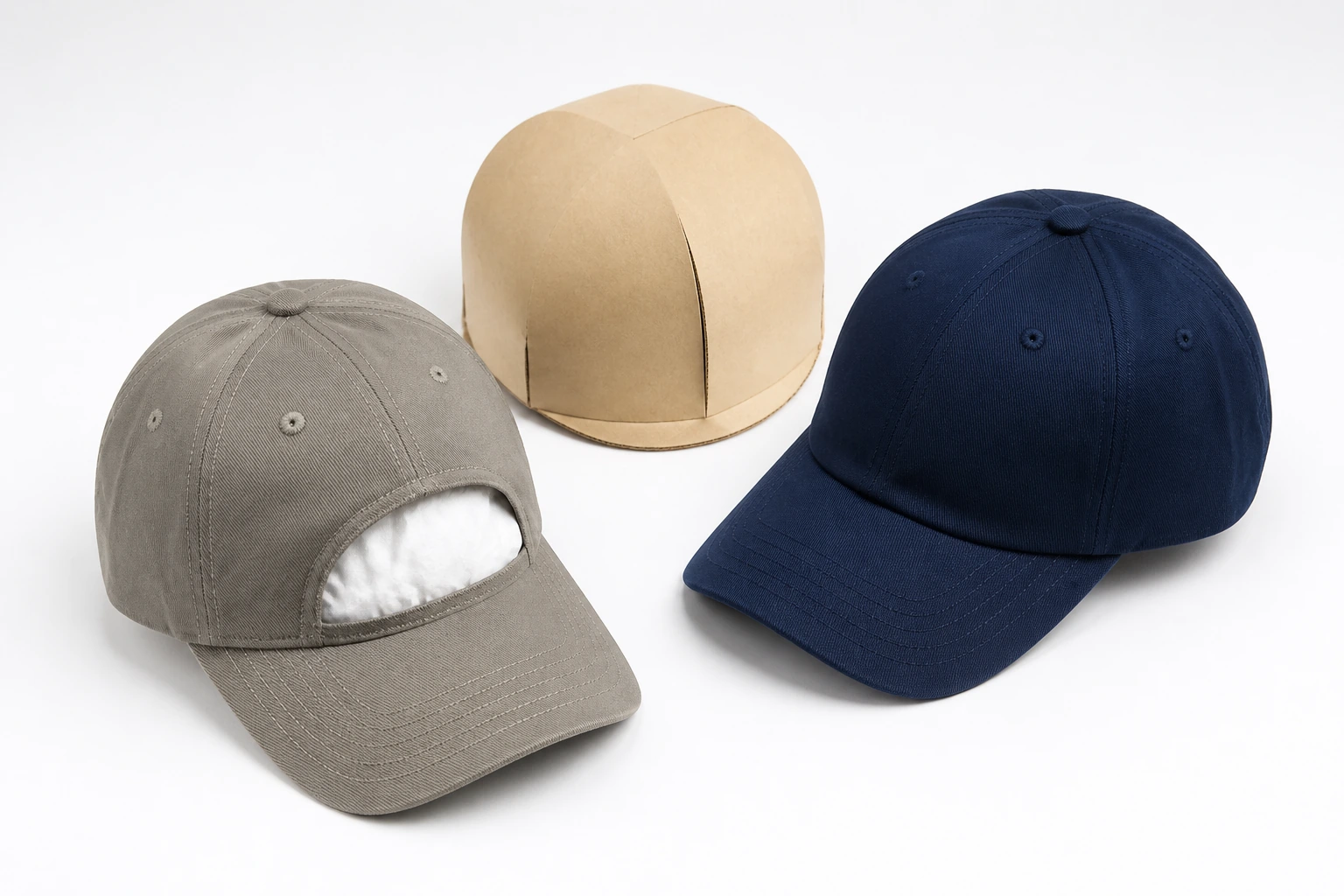
Choose support around the crown
Choose crown supports that hold the released silhouette without creating pressure ridges. Photograph their position and quantity so the pack trial can be reproduced at the factory and receiving warehouse.
Control nesting pressure
Set caps per nest and define where visor edges, closures and top buttons may contact. Excessive nesting can deform the crown even when the outer carton remains undamaged.
Reopen a packed sample after dwell time
Seal a representative carton for the declared dwell and orientation, then open it without hand shaping. Capture immediate and timed recovery views against the sealed cap before changing tissues or supports.
Write carton limits into the packing file
Write carton dimensions, cap count, nesting direction, support allocation and weight limits into the packing file. The accepted appearance is not protected if pack choices remain verbal.
Baseball-cap specification 12
Turn the RFQ into a repeat-order record
A repeat order is stable only when the quotation, sealed cap and every approved change point to the same revision.
What turns one purchase into a reorder system?
Controlled specification, declared alternatives, inspection evidence and change log.
Issue one controlled specification
Issue one specification that links crown, visor, material, fit, decoration, labels, packing and destination. Suppliers should quote against that revision and identify every unanswered field instead of pricing a broad cap description.
Price only declared alternatives
Ask suppliers to price required construction and declared alternatives on separate lines. This keeps a cheaper insert, closure or fabric route visible for buyer evaluation rather than hidden inside the total.
Define inspection evidence and timing
Define which sample, measurement, inspection record and packed reference will release each stage. Evidence timing belongs in the RFQ because late clarification can delay both production and shipment.
Log every approved change
Maintain a change log naming the input, reason, affected approval lane and buyer authorization. A reorder may follow the existing route only when all controlled materials, patterns, components and pack conditions remain current.
Buyer decision table
Baseball-cap release evidence by control point
Use each row to define the evidence required before the next production decision.
| Control point | Evidence object | Supplier record | Buyer gate |
|---|---|---|---|
| Crown profile | Front, side and rear views | Block revision and crown height | Release before artwork |
| Visor geometry | Width, length, curve and stitch rows | Insert choice and edge level | Release before packing |
| Fit route | Opening and closure travel | Size range and closure limits | Release before grading |
| Packed shape | Reopened carton and timed recovery | Nesting count and support | Release before shipment |
FAQ
Wholesale baseball cap specification questions
What belongs in a wholesale baseball-cap RFQ?
State cap wearer and channel, crown profile, panel structure, visor dimensions, fabric, closure, size range, artwork zones, labels, packing, quantity, destination and release date.
Can a cap rendering authorize sewing?
A rendering cannot establish crown support, visor set, closure travel, stitch finish or embroidery distortion. Release sewing only from the measurable cap sample and its controlled specification.
How is a baseball-cap material change reviewed?
Identify the panel, visor, sweatband or closure affected; compare hand, shade, construction and decoration response; then secure written buyer approval before bulk use.
Which records stabilize cap reorders?
Retain the sealed cap, pattern revision, dimensions, visor insert, fabric and shade standards, stitch program, closure, labels, carton plan and lot inspection evidence.
Cap file handoff
Request a baseball cap specification review
Send crown profile, visor geometry, fabric, closure, sizes, artwork zones, cap quantity, destination, carton plan and any undecided release criteria. The controlled endpoint is shown for local validation only.